

Visiting Rome for the first time is one of those experiences that lives in your imagination long before it happens. You picture sunlit piazzas, espresso at tiny cafés, ancient ruins rising unexpectedly between elegant buildings, and evenings that stretch late into the night. In many ways, the reality exceeds the dream. But there are also aspects of visiting Rome that rarely make it into guidebooks — details that can surprise, overwhelm, or even frustrate first-time travelers if they aren’t prepared.
Rome is not just a destination; it’s a living, layered city where modern life unfolds on top of thousands of years of history. Understanding what daily life looks like, how the city actually functions, and what to expect beyond the iconic landmarks can make the difference between a stressful trip and an unforgettable one.
Rome Is More Intense Than You Expect
Many visitors arrive expecting a relaxed Mediterranean atmosphere. While Rome certainly has moments of calm beauty, it is also a large, busy capital city with heavy traffic, noise, and constant movement.
The historic center in particular can feel overwhelming, especially during peak travel seasons. Streets are packed, queues form early in the morning, and popular attractions remain crowded well into the evening. Even simple activities — crossing the street, finding a taxi, ordering coffee — can feel chaotic at first.
Yet this intensity is part of the city’s character. Rome doesn’t reveal itself gently; it immerses you completely. Once you adjust to the rhythm, the energy becomes exhilarating rather than stressful.
Distances Are Larger Than They Look
Maps give the illusion that everything is close together. In reality, visiting Rome involves far more walking than most travelers anticipate.
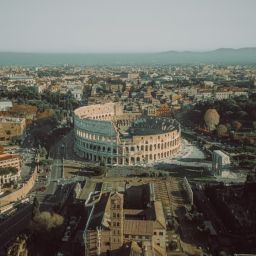
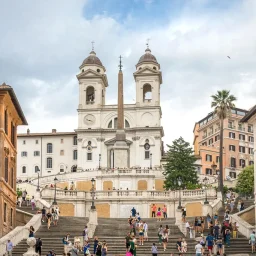
The Colosseum, the Vatican, the Trevi Fountain, and the Spanish Steps may all sit within the central area, but they are not around the corner from one another. Routes twist through narrow streets, crowds slow your pace, and the summer heat amplifies fatigue.
Many first-time visitors underestimate how much time it takes to move between attractions. Planning realistic daily itineraries — and allowing time for rest — is essential.
The City Operates on Its Own Schedule
One of the biggest surprises when visiting Rome is that the city does not revolve around tourist expectations.
Shops may close in the afternoon. Restaurants often open for dinner later than visitors are used to. Museums have specific closing days. Churches may restrict access during services. Public transportation runs on schedules that don’t always align with sightseeing plans.
Rather than fighting these rhythms, embracing them leads to a more authentic experience. Slowing down for a long lunch or an evening stroll becomes part of the pleasure of being in Rome.
Comfort Matters More Than Style
Rome is undeniably stylish, but practicality wins when you’re exploring it.
Cobblestone streets, long distances, and uneven surfaces make fashionable but impractical shoes a mistake many travelers regret within hours. Comfortable walking shoes are not just recommended — they are essential.
Light clothing, sun protection, and a reusable water bottle also make a significant difference, especially during warmer months. Rome’s beauty is best enjoyed when you’re physically comfortable enough to focus on your surroundings.
Attractions Require More Planning Than Expected
Iconic sites like the Vatican Museums, the Colosseum, and the Borghese Gallery often sell out in advance. Lines can stretch for hours without timed tickets.
Many first-time visitors assume they can simply show up and enter major attractions. In Rome, planning ahead saves enormous amounts of time and frustration. Booking tickets early, choosing entry times strategically, and understanding security procedures are all part of a smooth visit.
At the same time, some of the most memorable experiences in Rome come from unplanned discoveries: a quiet church, a hidden courtyard, a neighborhood trattoria where locals gather in the evening.
Rome Is a City of Neighborhoods, Not Just Monuments
Visiting Rome is not only about checking off landmarks. The city’s personality lives in its neighborhoods.
Trastevere’s lively nightlife contrasts with the elegance of Prati. Monti blends artisan shops with a creative atmosphere. Testaccio offers a glimpse of everyday Roman life away from tourist crowds.
Spending time in these areas reveals a different side of Rome — one defined by daily routines, local traditions, and authentic food culture. It’s often in these moments that travelers feel they’ve truly connected with the city.
The Weather Can Shape Your Entire Experience
Weather plays a powerful role in visiting Rome, more than many travelers anticipate.
Summer heat can be intense, especially around archaeological sites where shade is limited. Winter brings fewer crowds but shorter days and occasional rain. Spring and autumn offer the most balanced conditions, though even then temperatures can fluctuate.
Planning activities around the weather — early mornings for outdoor exploration, afternoons for museums or indoor spaces — helps you enjoy the city without exhaustion.
Public Transportation Is Useful but Not Perfect
Rome’s public transportation network can be helpful, but it requires patience and flexibility.
The metro system is relatively small, and many historic sites are not directly connected by it. Buses reach more areas but can be slow due to traffic. Walking remains the most reliable way to explore the central districts, even if it demands energy.
Taxis and ride services provide alternatives, especially late at night or when traveling longer distances. Combining different modes of transportation often works best.
Rome Rewards Curiosity More Than Efficiency
First-time visitors often try to see as much as possible in a short time. While understandable, this approach can lead to exhaustion rather than enjoyment.
Rome reveals its magic through wandering — turning down side streets, pausing in unexpected piazzas, sitting at cafés to watch daily life unfold. Some of the most memorable moments happen when you step away from the checklist.
The city is too complex to be “done” in one trip. Accepting this transforms the experience from a race into a discovery.
The Emotional Impact of Visiting Rome
What guidebooks rarely mention is how deeply Rome can affect you.
Standing inside ancient ruins, walking through Renaissance squares, or entering a quiet church filled with centuries of art creates a sense of connection to history that feels almost overwhelming. Rome compresses time in a way few places can.
You may arrive focused on sightseeing and leave with memories shaped by atmosphere, encounters, and small everyday moments — the sound of fountains at night, the glow of sunset on old stone walls, the feeling of being part of a story much larger than yourself.
Why First-Time Visitors Always Want to Return
No matter how much you plan, visiting Rome for the first time leaves you aware of how much remains unseen. There is always another neighborhood, another museum, another hidden corner waiting to be discovered.
This is why Rome is not just a place you visit once. It becomes a city you return to, each time understanding it a little more deeply.
The surprises, the challenges, and even the moments of confusion become part of the experience. What no one tells you about visiting Rome for the first time is that the city doesn’t simply meet expectations — it reshapes them.
And long after you leave, Rome continues to feel unfinished, as if the real exploration has only just begun.