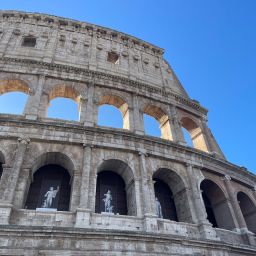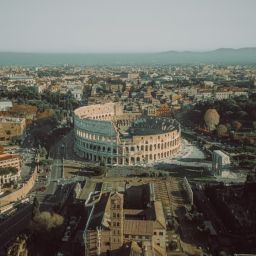


At first glance, Rome seems like the perfect city to explore on foot. The historic center looks compact on the map, major landmarks appear clustered together, and every street promises another postcard view. Many travelers arrive convinced they will simply walk everywhere, imagining leisurely strolls between the Colosseum, the Trevi Fountain, the Pantheon, and the Vatican.
Then reality sets in.
Rome is one of the most fascinating cities in the world, but it can also be surprisingly exhausting to navigate on foot. Distances are longer than they seem, the terrain is uneven, crowds slow you down, and public transportation doesn’t always fill the gaps in the way visitors expect. What looks like a pleasant walk can easily turn into a two-hour trek through heat, traffic, and packed sidewalks.
Understanding why Rome feels walkable — yet often isn’t — can completely change how you plan your trip and help you avoid burnout while still experiencing the city deeply.
Distances Between Landmarks in Rome Are Deceptive
One of the biggest misconceptions comes from maps. In the historic center of Rome, landmarks look close together, but walking between them takes much longer than expected.
For example, the Colosseum to the Trevi Fountain seems like a short stroll. In reality, it’s around 1.6 kilometers, often taking 25–35 minutes depending on crowds and heat. Add photo stops, street crossings, and navigation through narrow lanes, and it easily stretches to an hour.
The Vatican Museums to the Pantheon? Over 2 kilometers. The Spanish Steps to Trastevere? Even farther. These distances add up quickly, especially when you repeat them multiple times in a day.
Rome is not a grid city. Streets curve, dead-end, and follow ancient layouts that predate modern urban planning. What appears to be a straight route on a digital map may involve detours, stairs, or unexpected barriers.
Walking on Rome’s Cobblestones Is More Exhausting Than It Looks
Rome’s iconic ‘sampietrini‘, the small cobblestones covering many streets and piazzas, are part of the city’s charm. They are also physically demanding to walk on for hours.
Uneven surfaces strain your feet, ankles, and knees, especially if you’re wearing thin-soled shoes. After a full day of sightseeing in Rome, many visitors feel fatigue far beyond what the distance alone would suggest.
Strollers, wheelchairs, and rolling suitcases struggle even more. What looks like a smooth piazza in photos can feel like navigating a field of stones in reality.
Comfortable footwear is not optional in Rome — it’s essential.
Rome Is Built on Hills You Don’t Notice on the Map
Rome is famously built on seven hills, and while the slopes are not as dramatic as in some cities, they are constant.
You may not notice the incline at first, but after hours of walking in Rome, even gentle uphill streets become tiring. Areas like the Capitoline Hill, the Aventine, and parts of Trastevere involve steady climbs. The route toward the Vatican from the river also includes gradual elevation changes.
These hills contribute to the sense that Rome is harder to walk than it looks on a flat map.
Crowds in Rome Slow Down Every Route
Even if you are comfortable walking long distances, crowds dramatically change the experience.
Popular areas in Rome such as the Trevi Fountain, the Pantheon, and the streets around the Spanish Steps are often packed from morning to late evening. Moving through these zones can feel like navigating a slow-moving river of people.
During peak seasons, simply crossing a piazza may take several minutes. Narrow sidewalks force pedestrians into single-file lines. Street performers, tour groups, and queues spill into walkways.
What should be a 10-minute walk in Rome can become 25 minutes without you realizing why.
Rome’s Summer Heat Makes Walking Far More Difficult
Rome’s climate plays a major role. From late spring through early autumn, daytime temperatures frequently exceed 30°C (86°F). Shade is limited in many archaeological areas, and reflective stone surfaces intensify the heat.
Walking long distances in Rome under these conditions is draining. Dehydration and fatigue set in quickly, especially for travelers unaccustomed to Mediterranean summers.
In July and August, locals often avoid long walks during midday for exactly this reason. Planning your sightseeing around the cooler morning and evening hours makes a huge difference.
Public Transportation in Rome Doesn’t Always Fill the Gaps
Visitors sometimes assume they can walk until tired and then easily hop on public transport. In Rome, this strategy can be unpredictable.
The metro network is limited compared to other European capitals, with only a few lines serving major tourist areas. Many historic sites are far from stations. Buses cover more territory but are affected by traffic and can be crowded.
Taxis and ride-hailing services are available, but wait times increase during peak hours and in high-demand locations. Depending on where you are in Rome, finding a quick ride is not always simple.
Why Rome Feels Walkable but Isn’t
So why does Rome give the illusion of being an easy walking city?
Part of the answer lies in its beauty. When every street corner reveals a fountain, a church, or ancient ruins, walking feels natural. You want to explore slowly and absorb the atmosphere.
The problem is that visual proximity does not equal physical proximity. Seeing the dome of St. Peter’s Basilica in the distance doesn’t mean it’s a short walk away. Rome’s layered urban landscape distorts distance in ways that surprise first-time visitors.
Is Rome a Walkable City After All?
Rome is walkable in the sense that many highlights are accessible on foot. But it is not effortlessly walkable.
The city demands patience, comfortable shoes, realistic expectations, and a willingness to adapt. Once you understand its scale and rhythms, Rome becomes far more enjoyable.
Instead of trying to conquer it step by step, treat walking as one of several ways to move through the city. Combine it with buses, taxis, or guided tours when needed. This approach lets you preserve your energy for what truly matters: experiencing the history, art, food, and atmosphere that make Rome unforgettable.
Rome may look compact on the map, but its true dimension is emotional rather than geographical. It is a city meant to be lived slowly, not rushed across on a checklist. And once you embrace that pace, even the longest walks start to feel worthwhile.
How to Explore Rome Without Exhaustion
One of the smartest ways to explore Rome without draining your energy is to trade long walks for a more efficient — and surprisingly fun — way of getting around: renting a scooter or an electric buggy.
These options allow you to cover far greater distances in a fraction of the time while still enjoying the city’s atmosphere at street level. Instead of spending hours navigating crowds and cobblestones on foot, you can glide between major landmarks, stop whenever something catches your eye, and reach areas that would otherwise feel too far apart in a single day.
Scooters are ideal for travelers who want flexibility and speed, especially when moving between neighborhoods like the historic center, Trastevere, and the Vatican. Electric buggies, on the other hand, offer a more relaxed experience, perfect for families, couples, or anyone who prefers comfort and shade while sightseeing. Both options transform Rome from an exhausting walking challenge into a manageable, enjoyable adventure, letting you experience more of the city without sacrificing your energy — or your feet.
Rent your scooter or electric buggy with Buzz4Tours and discover Rome in a smarter, easier way.